
Academic Team

Dr. Magdalena Bobowik
Principal Investigator
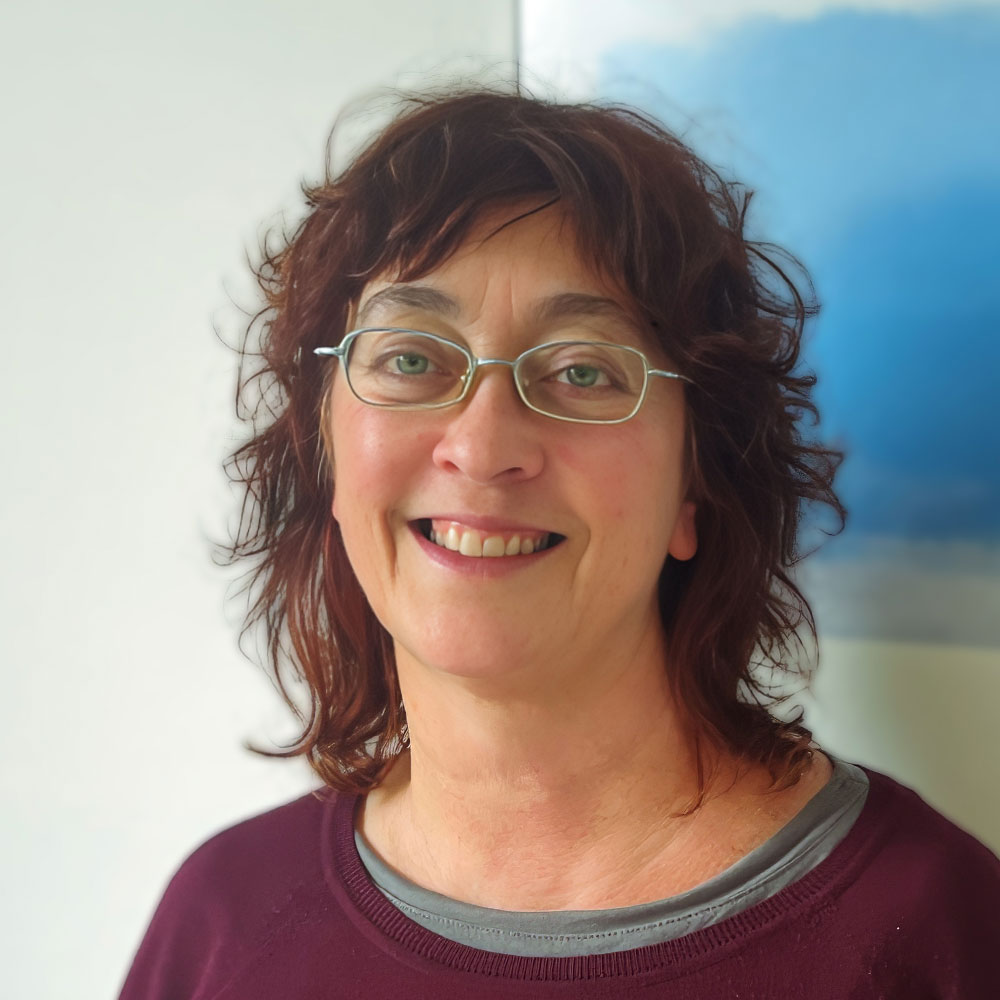
Magdalena Bobowik is a Ramón y Cajal researcher at the University of the Basque Country, where she earned her Ph.D. in Social Psychology in 2013. She is also an Ikerbasque researcher affiliated with the Basque Foundation for Science. Her professional career includes research under the Marie Skłodowska-Curie program at Utrecht University and postdoctoral work at Pompeu Fabra University in Barcelona. Magdalena’s research focuses on promoting social justice, diversity, and inclusivity, as well as democratic culture and respect for human rights in multicultural and post-conflict societies. Her work examines intergroup relations, social identities and acculturation, intergroup conflict, transitional justice, and social emotions and well-being. She collaborates closely with local organizations such as SOS Racismo Gipuzkoa, Moviltik, EMAUS, and the international organization Refugee Today to translate research into practice. Her current work is particularly interested in how people respond to narratives about the empowering experiences of disadvantaged groups, and in bridging art, culture, and science to foster more inclusive societies.
Dr. Lorena Gil de Montes
Investigator
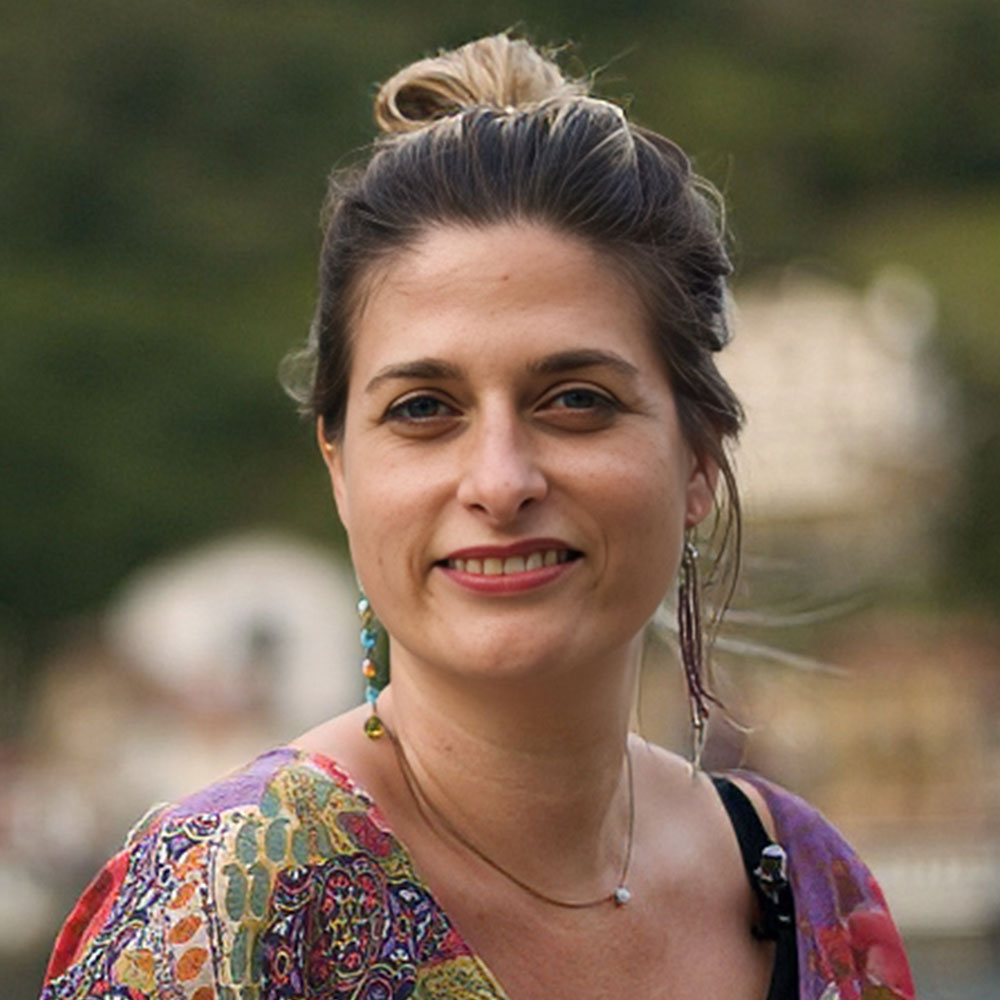
Lorena Gil de Montes is an Associate Professor in the Department of Social Psychology at the University of the Basque Country / Euskal Herriko Unibertsitatea (EHU). Her work lies at the intersection of social psychology, health, and politics, where she explores how communities construct collective meanings that shape how we understand the world and act within it. She is particularly interested in how social narratives emerge and transform in contexts of change, uncertainty, or public debate. From this perspective, she studies emerging or contested phenomena that affect everyday life in relation to health (such as menstruation, the organization of care, and infectious epidemics) and the political sphere (new social policies, peace processes in conflict settings, and organizational justice).
Dr. Maitane Arnoso
Investigator
Maitane Arnoso Martínez holds a Ph.D. in Political and Administration Sciences and is a professor and researcher in social psychology at the University of the Basque Country (EHU). Her work adopts an interdisciplinary approach linking research, teaching, and social engagement. She focuses on the psychosocial consequences of political violence, particularly on victims, collective memory, and policies of recognition, truth, and reparation. She has studied these issues in contexts such as Latin America, the Basque Country, and Western Sahara, examining how societies construct and contest narratives about the past and their implications for democratic coexistence. Her research also addresses intergroup relations in culturally diverse societies, especially in migration contexts. She analyzes dynamics of social inclusion and exclusion, racism and multiple discrimination, and the role of stereotypes and narratives in shaping relations between groups. She has explored social representations in contexts of uncertainty, including responses to perceived threats, crises, and social change, as well as the rise of far-right attitudes and insecurity discourses.
Committed to bridging academia and society, Maitane Arnoso is actively involved in community work. She has been president of SOS Racismo Gipuzkoa since 2016 and participates in networks such as Unibertsitate Kritiko Sarea, promoting social justice and critical citizenship.
Dr. Elia Soler Pastor
Investigator
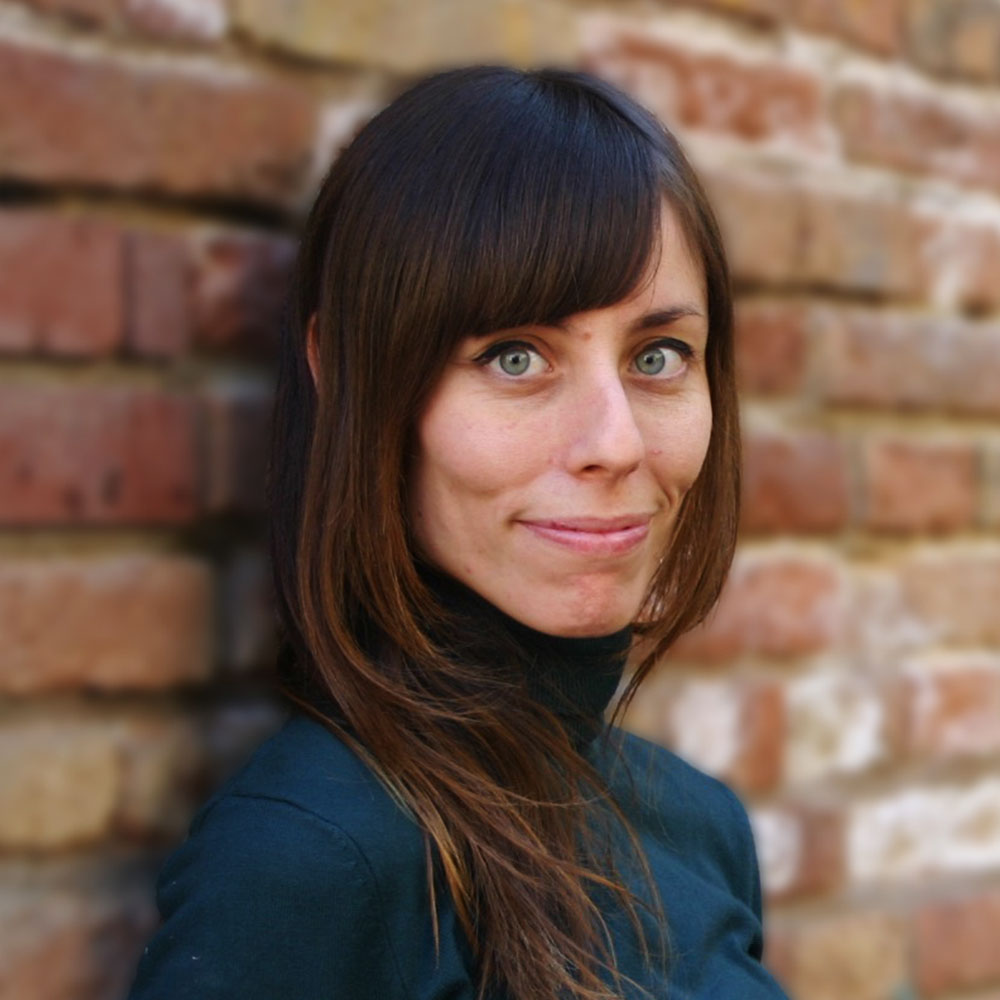
Elia Soler Pastor is a Postdoctoral Researcher at the University of the Basque Country (EHU), earned her PhD in Social and Political Sciences at Pompeu Fabra University (Barcelona). Her research work explores the (intrapersonal and interpersonal/intergroup) impacts of intercultural experiences, including migration, multicultural exposure, or exposure to empowerment and counter-stereotypical narratives, with the aim of producing knowledge that can contribute to solidarity and collective action behaviors. During her training, she did some research stays abroad, collaborating with the Berkeley Social Interaction Laboratory team (Prof. Dacher Keltner), the Equalab team (Prof. Keon West), the PUC University in Chile, and the Gender and Non-Discrimination Program of the International Labour Organization. She currently serves as a Managing Editor for the International Journal of Social Psychology (IJSP). Elia also works at a migrant-led organization that supports other organizations in incorporating anti-racist practices and policies, applying artistic and decolonial methodologies. She is interested in learning more about participatory action research and critical methodologies aimed at social change.
Dr. Pablo Castro-Abril
Investigator
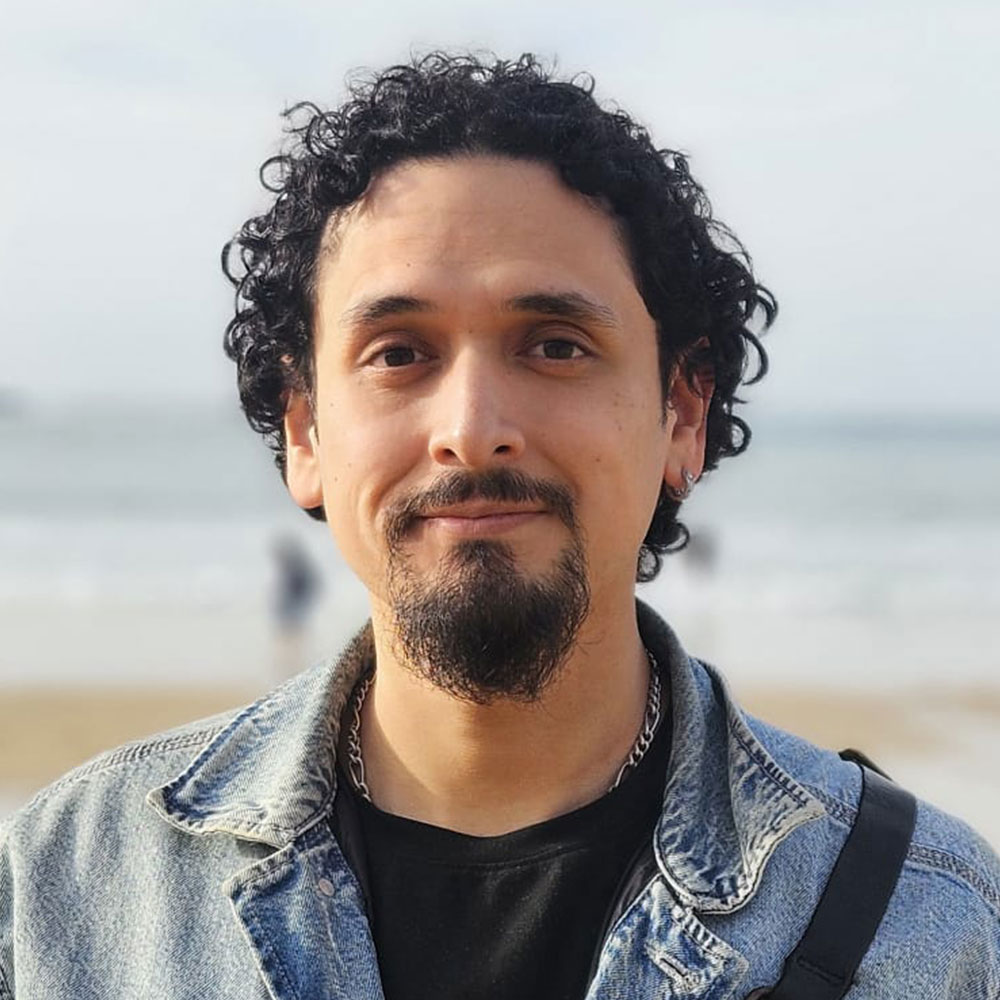
Pablo Castro-Abril is a Postdoctoral Researcher at the University of the Basque Country (EHU). He holds a PhD in Psychology with Cum Laude honors from the University of the Basque Country. Over the past decade, his research trajectory has focused on political psychology, addressing areas related to peacebuilding, collective violence, and armed conflicts. Specifically, his work has explored the significance of intergroup processes of forgiveness and social reconciliation, as well as the active role of direct victims of violence in transitional justice processes. He is currently working on a project—an extension of the HERMES project—focused on empowerment and collective action, with the aim of strengthening solidarity among historically vulnerable groups in Latin America and Spain.
Dr. Sheila Azcoitia
Investigator
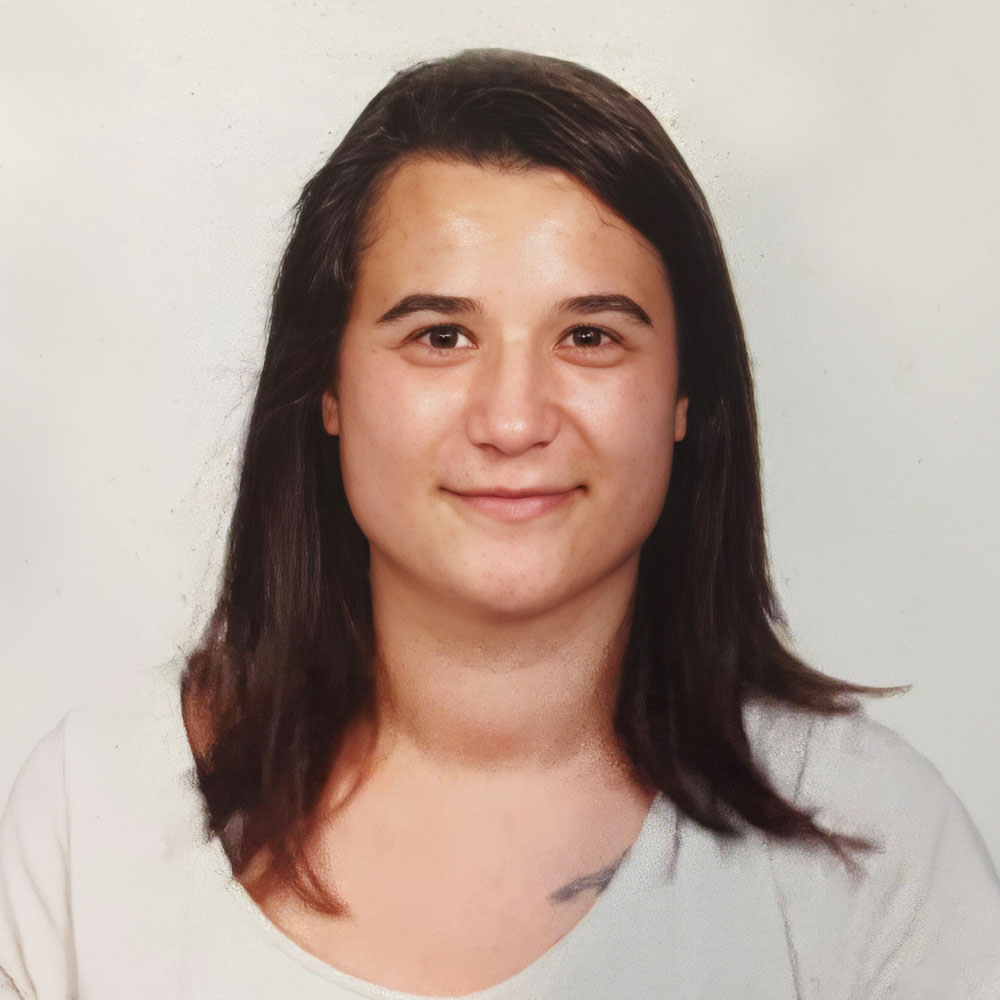
Sheila Azcoitia is an Assistant Professor in the Department of Nursing I at the University of the Basque Country (EHU; PhD in Nursing). After graduating in Nursing (2013), she completed a Master’s degree in Public Health (2014) and later earned her PhD in Social Psychology. This academic trajectory has allowed her to address issues at the intersection of health, stigma, and social well-being. Her research focuses on the stigma associated with schizophrenia, analyzing cognitive, affective, and behavioral responses in both the general population and healthcare professionals. She is a member of the consolidated research group “Culture, Cognition, and Emotion,” recognized with an A-category by the Basque Government. Her work highlights the role of intergroup contact and social emotions in fostering prosocial behavior and social acceptance towards individuals living with schizophrenia.
Irene Cisma
PhD Student
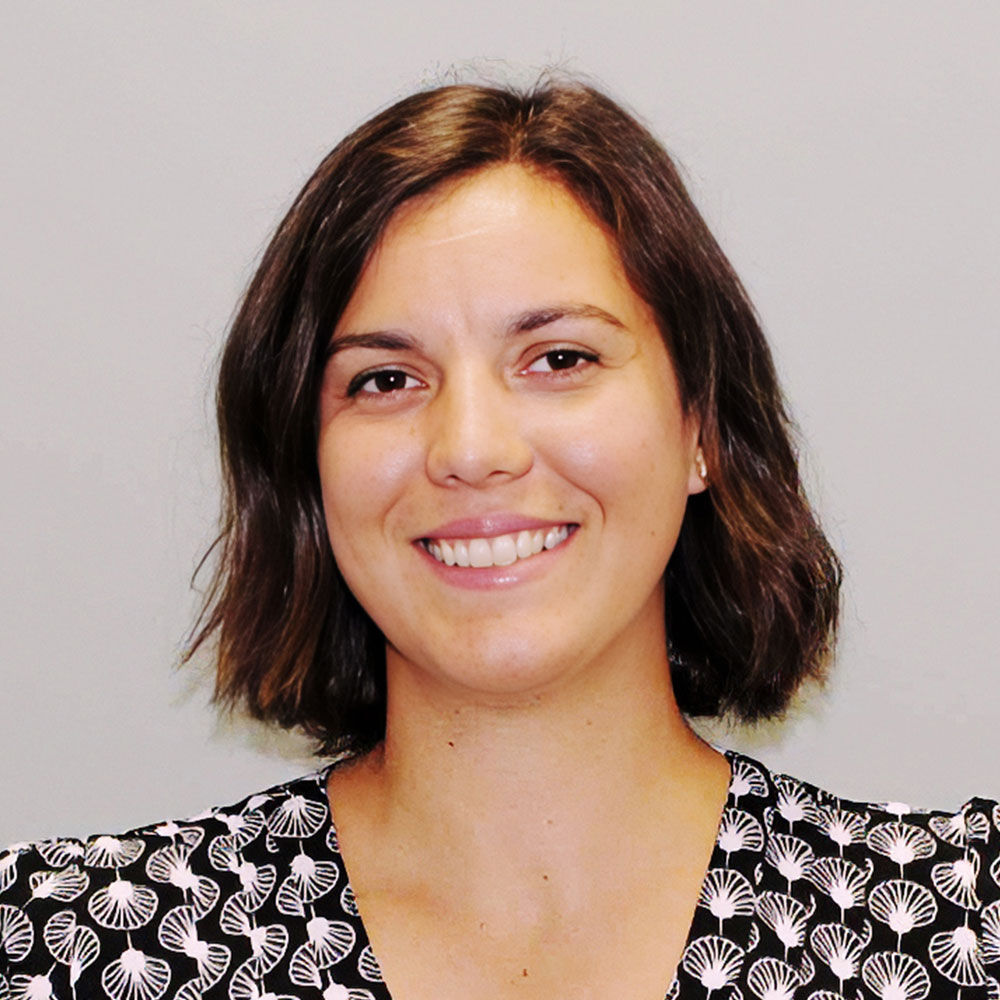
Irene Cisma is a PhD candidate in Social Psychology at the University of the Basque Country (UPV/EHU), funded by the Spanish Ministry of Science and Universities (PID2023-151315OA-100). Irene’s interdisciplinary background combines training in Communication and Neuroscience. Her research examines how empowered role model narratives featuring disadvantaged groups influence solidarity and social change. Her focus is on interventions that leverage digital technologies, communication, and art for real-world impact. She is interested in measuring that impact by complementing self-reports with behavioural or biometric measures. She also serves as Media Editor for the International Journal of Social Psychology (IJSP), handling online outreach.
El Galia Mokhtar Mohamed
PhD Student
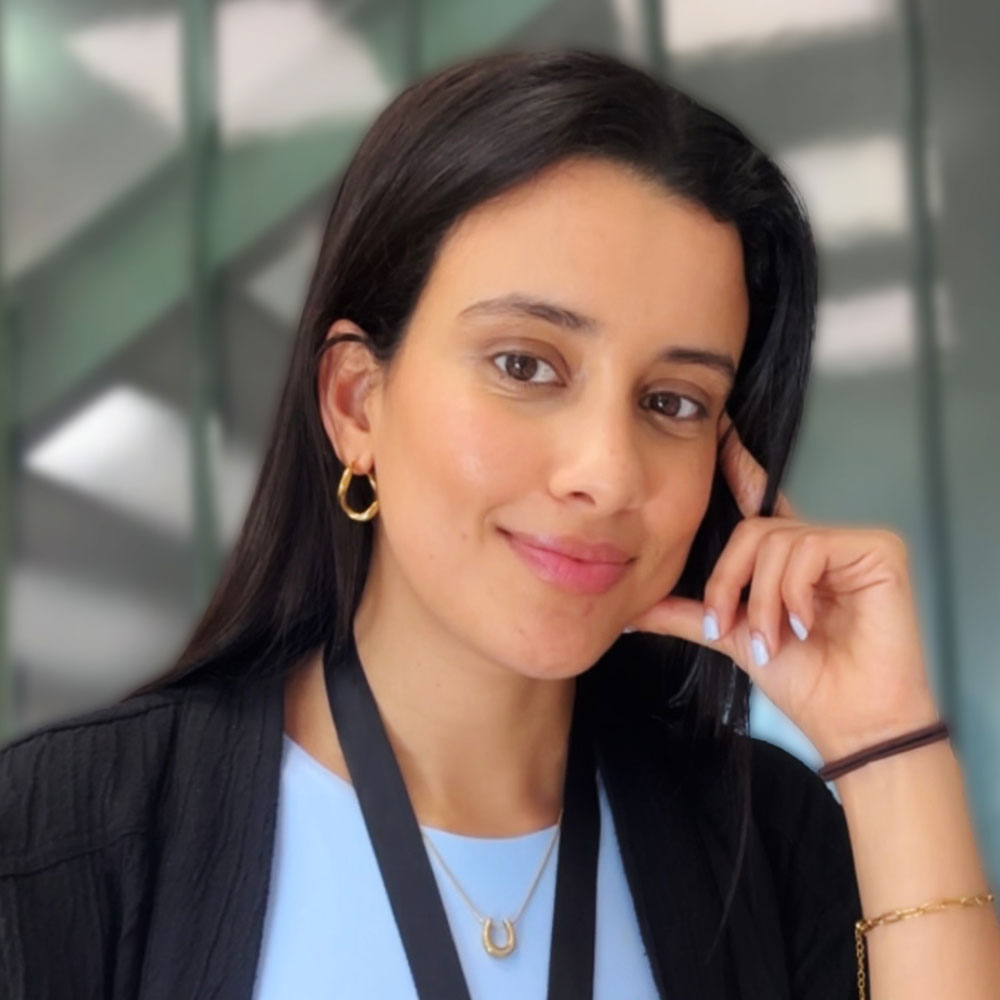
Galia Mokhtar is a PhD candidate in Social Psychology at the University of the Basque Country (UPV/EHU), funded by the Basque Government. Her research examines how different forms of intergroup and intragroup contact influence psychological well-being, empowerment and collective action among immigrant women in Spain. She explores these processes using both quantitative and qualitative approaches, paying particular attention to mechanisms such as social norms, group identification, and social support. As part of her doctoral training, she completed a research stay at the European Research Centre on Migration and Ethnic Relations (ERCOMER) at Utrecht University, where she collaborated on projects on migration, acculturation, and intergroup relations. She also serves as Media Editor for the International Journal of Social Psychology (IJSP).
Leire Agate Amenabar Larrañaga
PhD Student
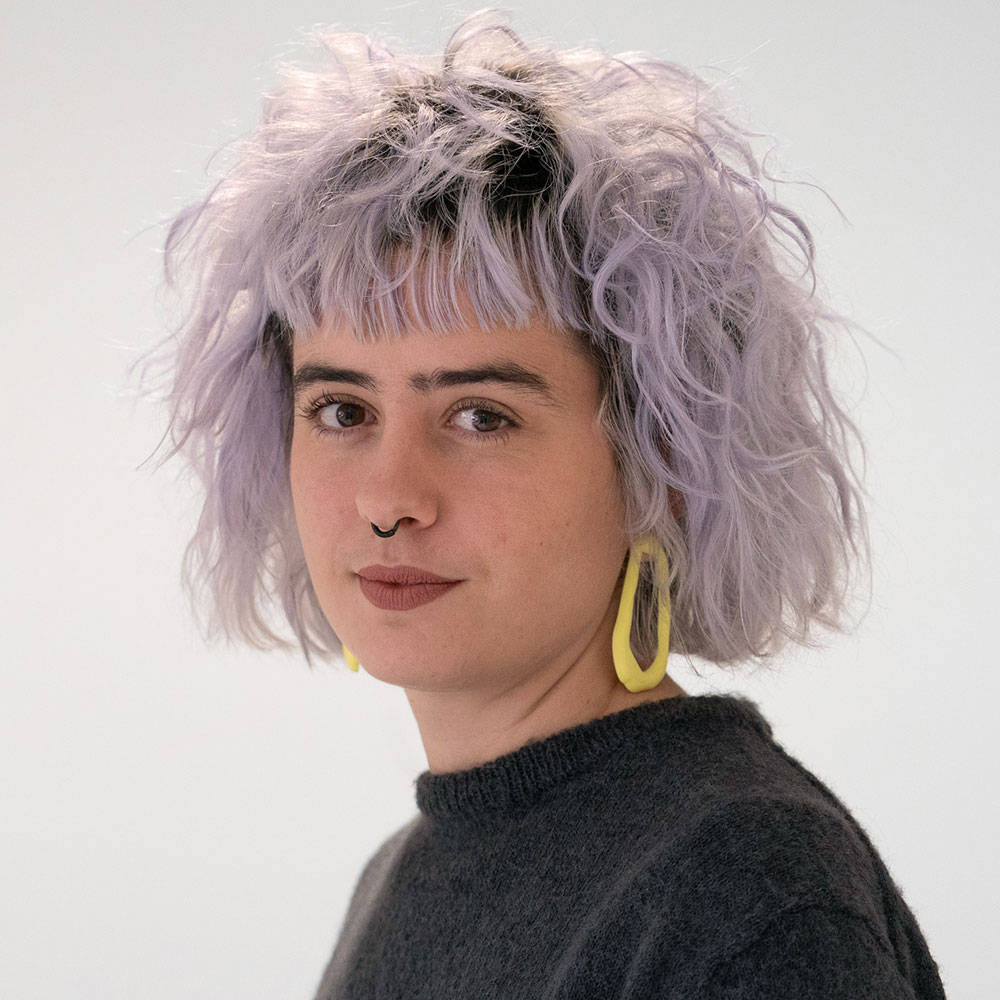
Leire Amenabar is currently pursuing her PhD in the Department of Social Psychology at the University of the Basque Country (EHU). Her research focuses on relations between minoritized linguistic communities in the Basque Country, examining how Basque society, as a receiving society, constructs discourses and attitudes toward linguistically diverse immigrant communities. Her main lines of work include acculturation processes, victimization narratives, and intergroup dynamics in unequal sociolinguistic contexts. From this perspective, her interest in social narratives and processes of recognition and empowerment extends to the cultural and artistic sphere, exploring how women construct narratives of agency and resistance in local spaces such as music. Her participation in this project aligns with this focus on narratives as tools for identity, visibility, and social transformation.
Student Collaborators
- Mariona Sot, Department of Social Psychology, EHU
- Evelina Traskovska, Department of Social Psychology, EHU
- María Alonso, Department of Social Psychology, EHU
- Khloe Dominique Salpid, University of Arkansas at Little Rock, Arkansas
International Collaborators
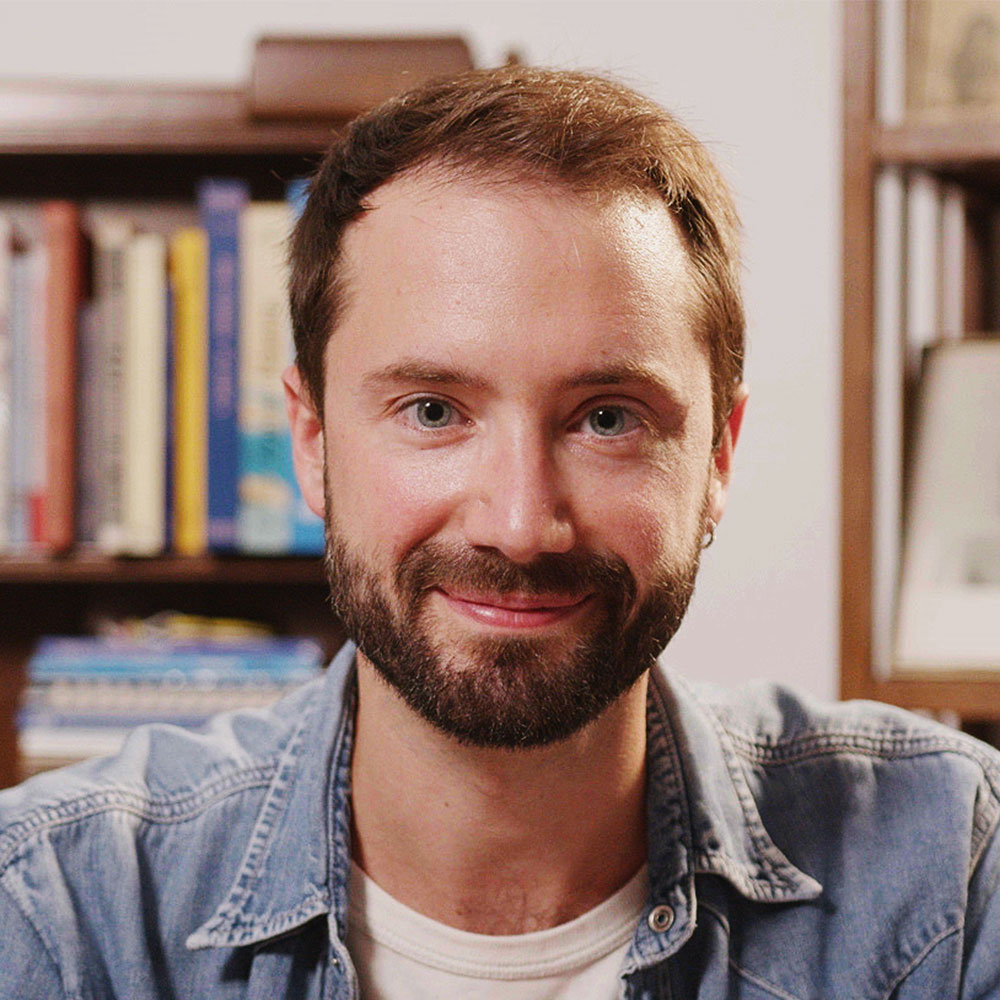
Dr. Emanuele Politi
International Collaborator
Emanuele Polity is an Associate Professor of Social Psychology at the Social Mind and Behavior Lab and a member of the International Migration Lab at the University of Trento, Italy. His research interests span topics related to migration and integration, with a particular focus on forced migration and displacement. From a social-psychological perspective, he examines how migrants navigate integration challenges and aspirations, as well as how multicultural societies respond to and are transformed by migration flows. His current research lines aim to build a socio-ecological understanding of migration and integration trajectories, and to explore how social affordances can help consolidate the agency and capabilities of migrants during critical transitions across their life-course.
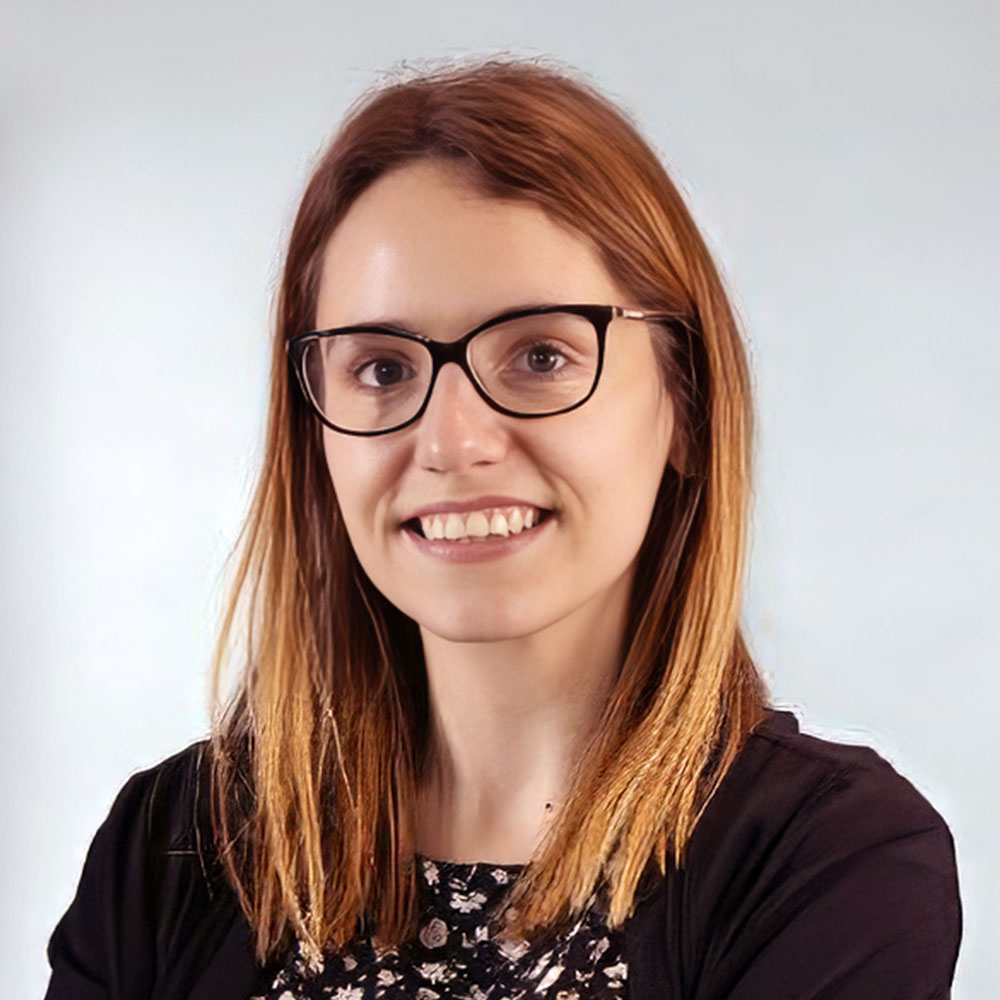
Dr. Mirjana Rupar
International Collaborator
Mirjana Rupar is a social psychologist and researcher originally from Bosnia and Herzegovina who specializes in intergroup relations, conflict, reconciliation, and mass media. She earned her Ph.D. in social psychology from Masaryk University in Brno in 2018. Since 2019 she has been a research scientist at the Institute of Psychology of the Czech Academy of Sciences, having previously held a post‑doctoral position in Poland. Her research explores the psychological foundations of intergroup relations, particularly in societies affected by conflict and division. She investigates how prejudice, stereotypes, nationalism, and beliefs about victimhood, among others, shape how groups perceive one another in the aftermath of conflict. A central focus of her work is on intergroup contact, social norms, and narratives that promote reconciliation. Her work in general emphasizes strategies that foster positive intergroup relations, ranging from examining moral examples from wartime experiences to highlighting stories of cooperation and support between majority and minority communities.
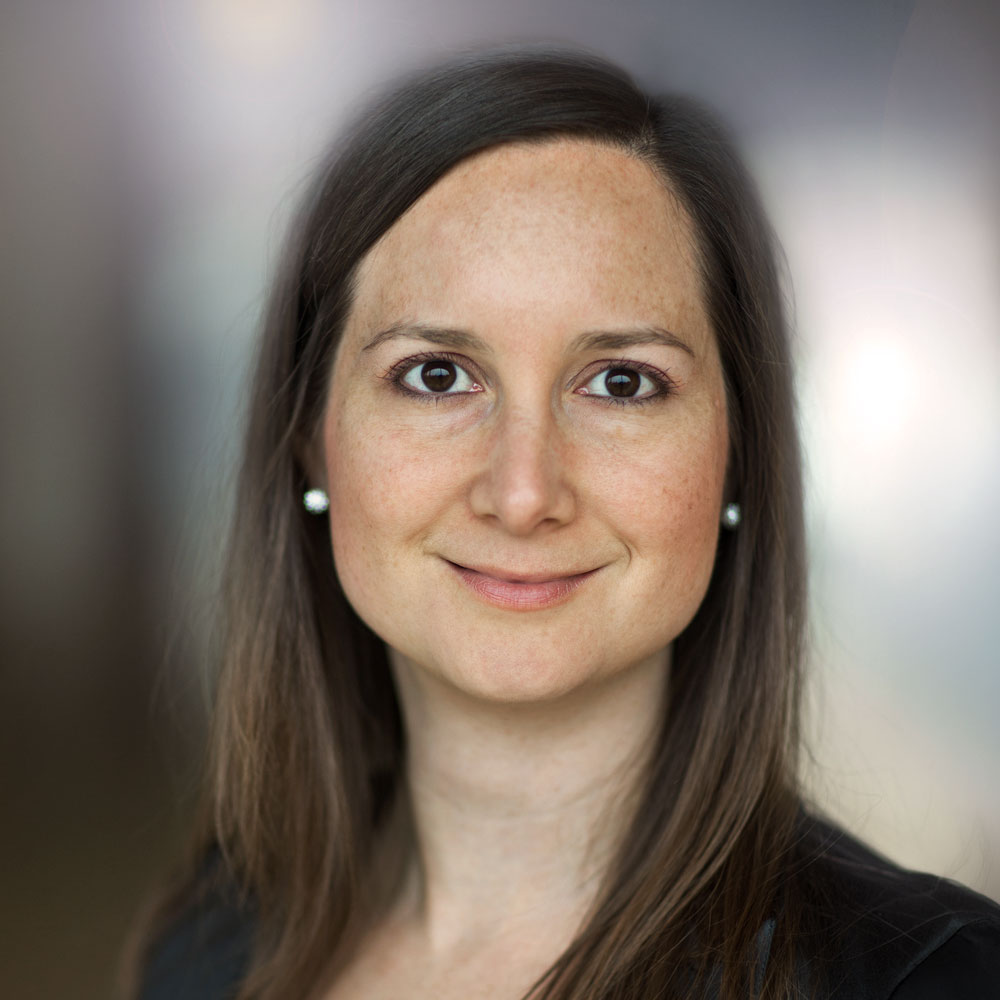
Dr. Borja Martinovic
International Collaborator
Borja Martinovic is an Associate Professor at the Department of Interdisciplinary Social Science and a member of the European Research Centre on Migration and Ethnic Relations (ERCOMER). Her research broadly deals with group identities, immigrant integration, and intergroup relations in multi-ethnic societies.